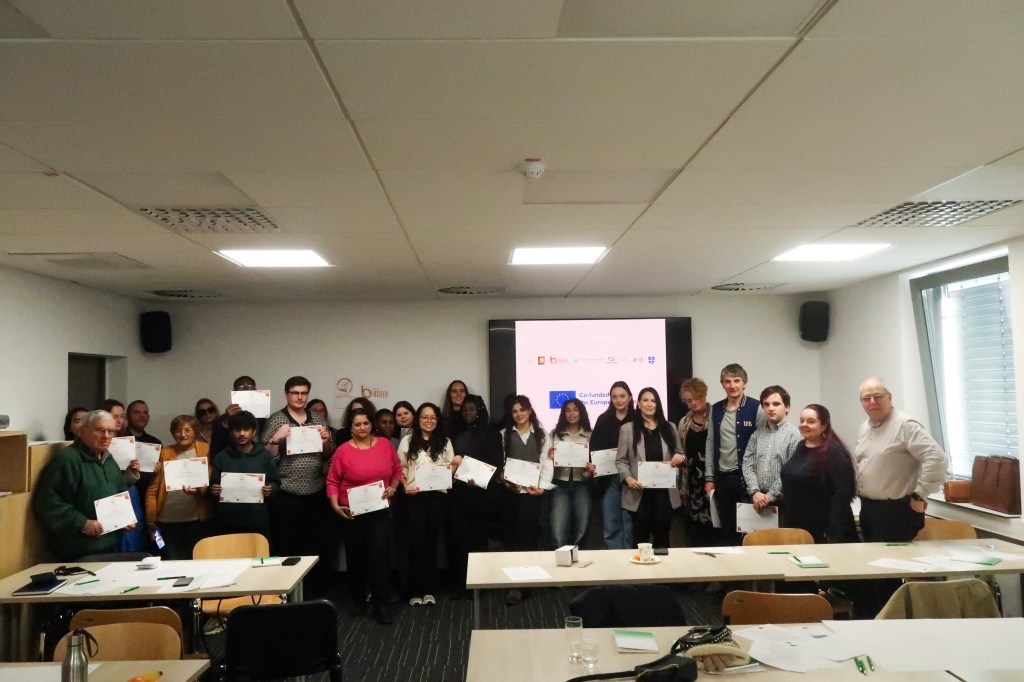
On International Migrants Day, 18 December, the Boter Institute organised a main event in Novo Mesto as part of the CISOMO II project, focusing on the question: How can we build a society in Slovenia and across Europe that accepts migrants not merely as statistics, but as active co-creators of the community? The day, filled with discussions, workshops, and personal testimonies, offered valuable insight into the interplay between national strategies and grassroots work with people.
From systemic foundations to the human face of the state
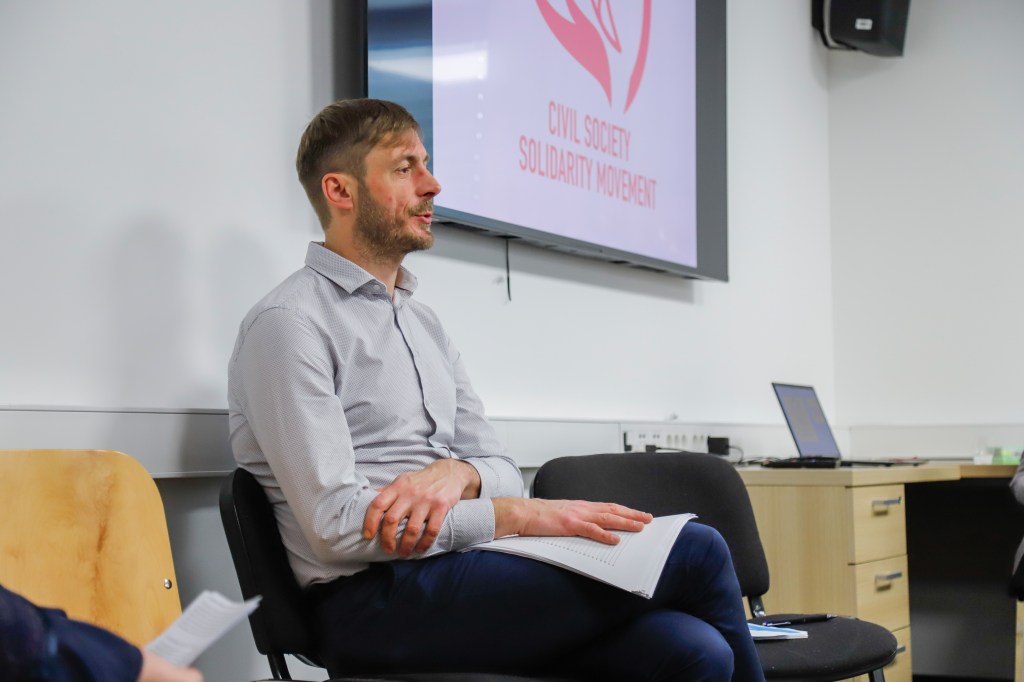
The event began at the official level with an address by Primož Jamšek from the Office of the Government of the Republic of Slovenia for the Care and Integration of Migrants. He highlighted the need to align two key national visions: an immigration strategy that addresses the economy’s need for labour, and an integration strategy that ensures social cohesion. Jamšek emphasised that the state must not be merely a “cold bureaucratic apparatus”, but must become more humane in cooperation with non-governmental organisations. He placed special emphasis on the experiences with temporary protection for refugees from Ukraine, which demonstrated that rapid and tailored responses are possible even at the systemic level.
Social Activation as a Bridge to Self-Reliance
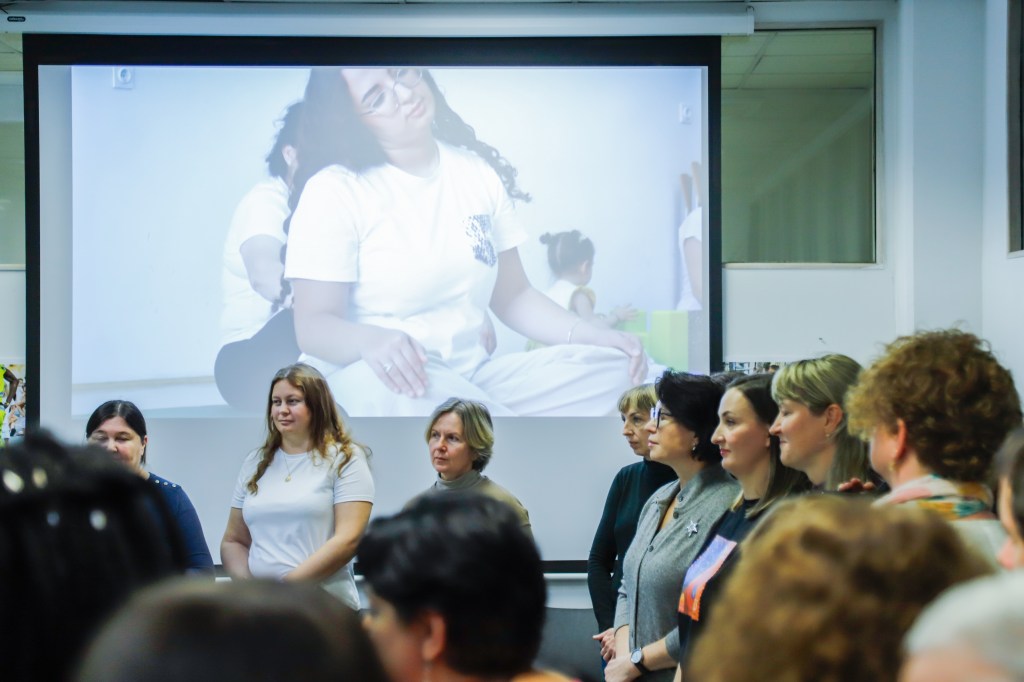
Participants visited the Social Activation programme for migrant women, implemented by the Novo Mesto Association for the Development of Volunteer Work (DRPDNM). The programme is an example of good practice in empowering women, who are often the most vulnerable and isolated group in the migration process. Through long-term mentoring and integration into the local community, these women not only learn the language but also build self-confidence and a social network, which is crucial for their independence.
Four Faces of Integration: When Statistics Get a Name
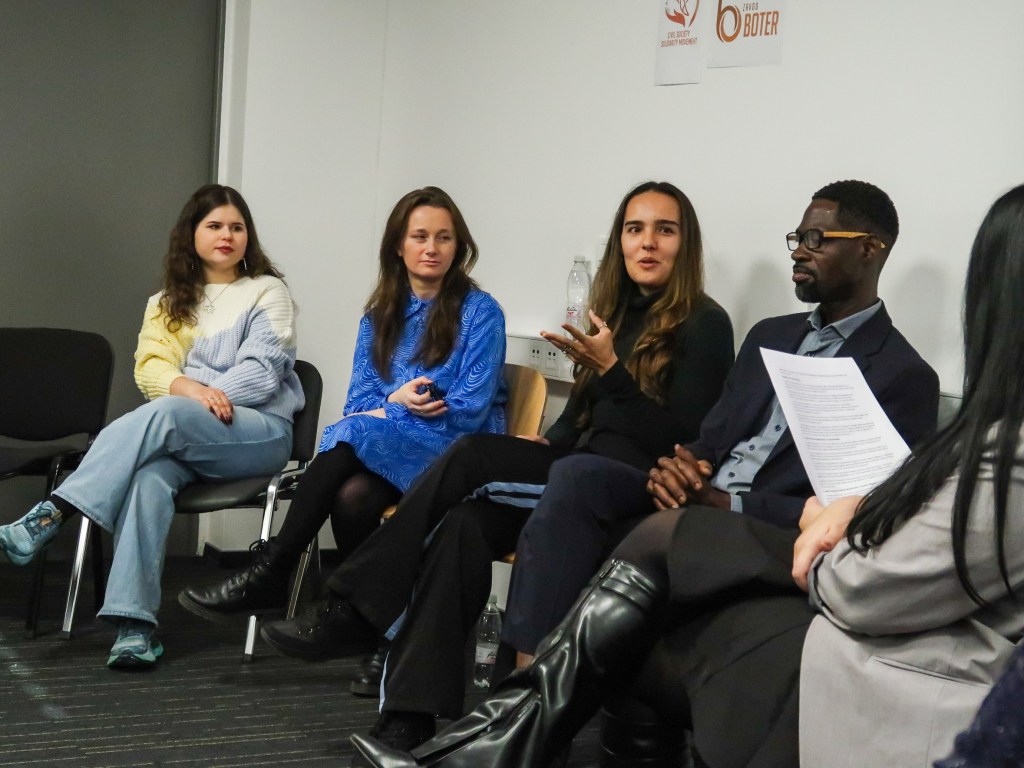
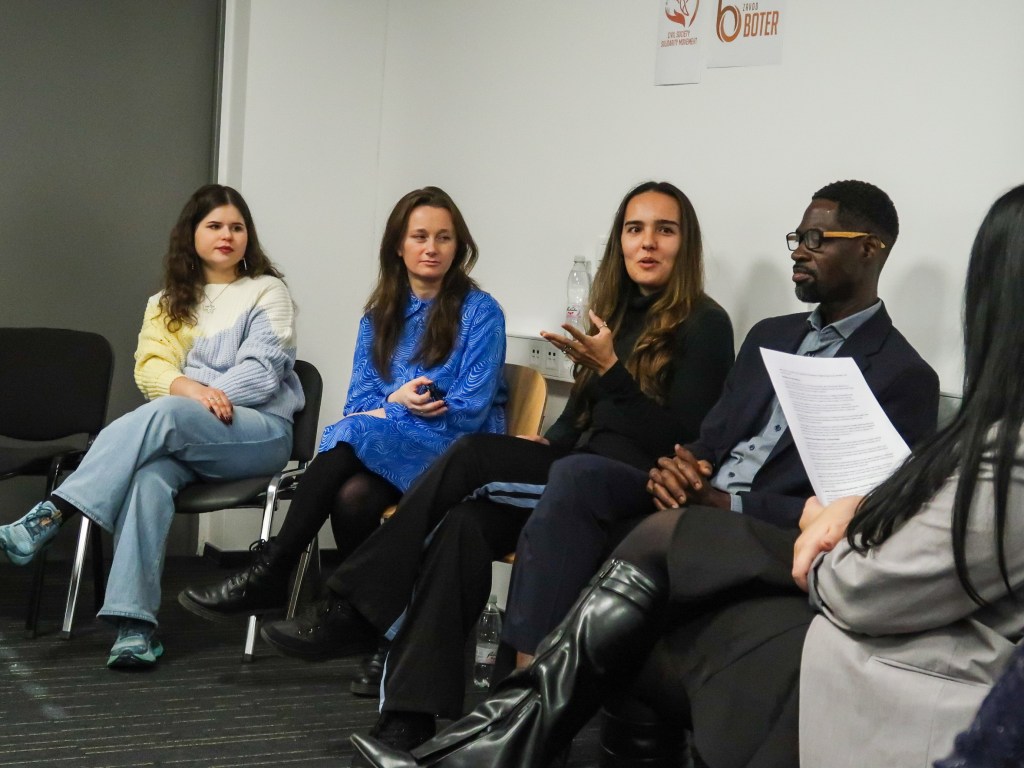
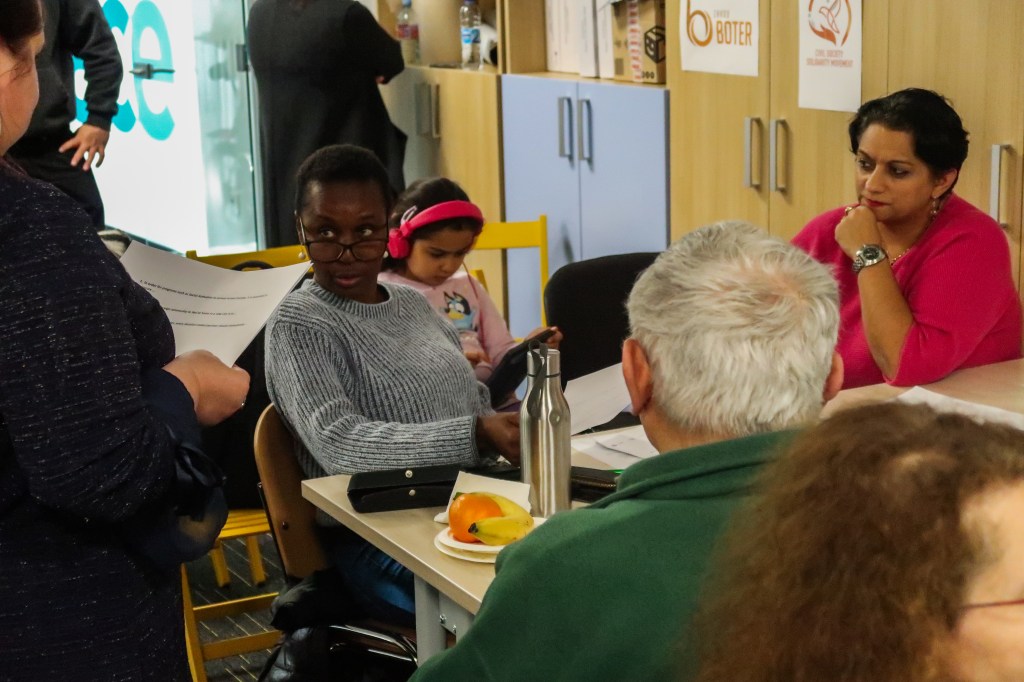
The most moving part of the morning was the roundtable discussion, where four individuals with different legal statuses shared their stories:
Romain Adje (Ivory Coast): As a former political advisor, he entered Slovenia through the asylum system. His journey from forklift operator to a job at the Novo Mesto Nursing Home was a stark reminder of “brain waste”, when highly educated professionals cannot immediately contribute their skills due to bureaucratic obstacles.
Daniela Hočevar (Venezuela): As a returnee of Slovenian descent, she emphasised that even with a regularised status, integration requires effort. She found her path through art, where, as the first national champion in oriental dance, she proved that culture is a powerful medium for building bridges.
Milica Tanasković (Serbia): Her story of family reunification and economic migration showed that challenges exist even with linguistic and cultural proximity. Starting in the hospitality industry, she worked her way up to the role of project coordinator at DRPDNM, where she now helps other migrants.
Kateryna Zaikina (Ukraine): She came to Slovenia as a refugee at the age of 17. With exceptional perseverance and the support of her community, she passed her high school graduation exam in Slovenian in record time and enrolled in a general medicine programme, proving that support mechanisms in Slovenia work when combined with strong personal will.
The testimonies of the roundtable participants served as direct proof of why methods such as the Living Library – which was presented to the participants later – are necessary in practice.
The Living Library as an Innovative Tool for Breaking Down Stereotypes
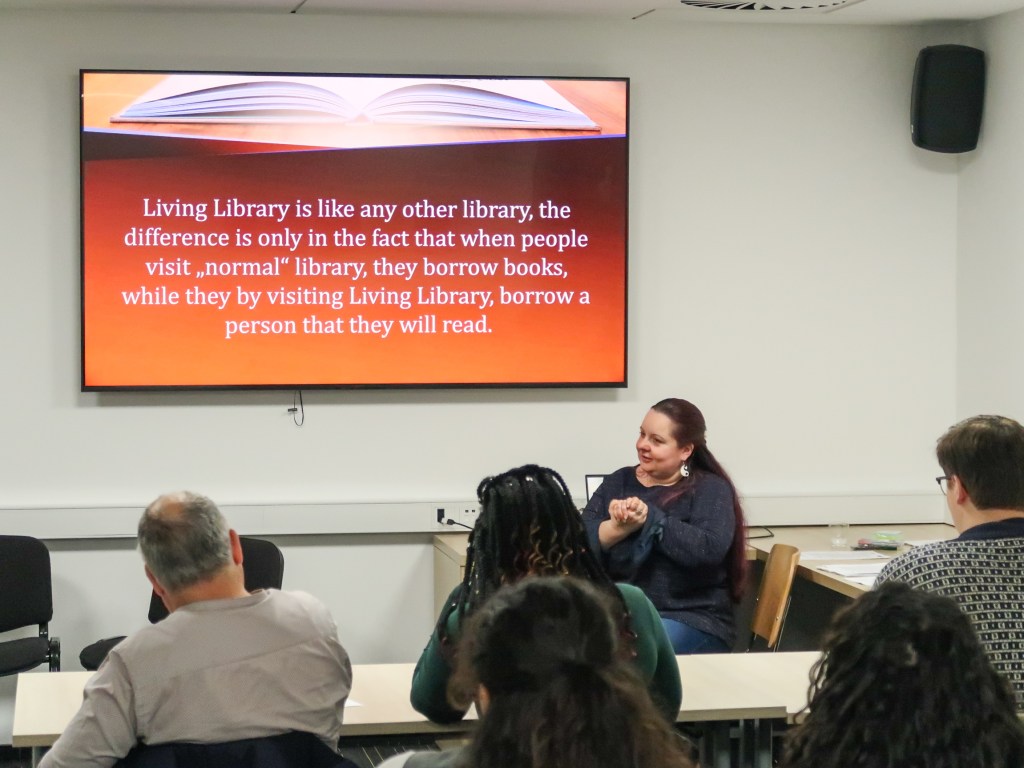
As part of the presentation of best practices in non-formal education, the Living Library method was presented to participants in detail. It is an innovative concept where, instead of a book, the “reader” borrows a person and their life story. The presentation highlighted how this method facilitates direct dialogue in practice between people who might never have met in everyday life. Experts emphasised that such personal encounters are the most effective in confronting prejudices, as they bring real human experience, empathy, and mutual understanding to the forefront instead of the abstract concepts we often encounter in the media.
The presentation of this method highlighted how the concept of “borrowing a person instead of a book” can serve as a key tool for breaking down stereotypes. Instead of fear of the unknown, the Living Library offers a safe space for questions and dialogue, thereby turning migrants’ personal stories into a bridge to broader social acceptance. Participants recognised that such informal educational tools are a necessary complementary step to systemic national strategies.
Common Denominator and Culinary Conclusion
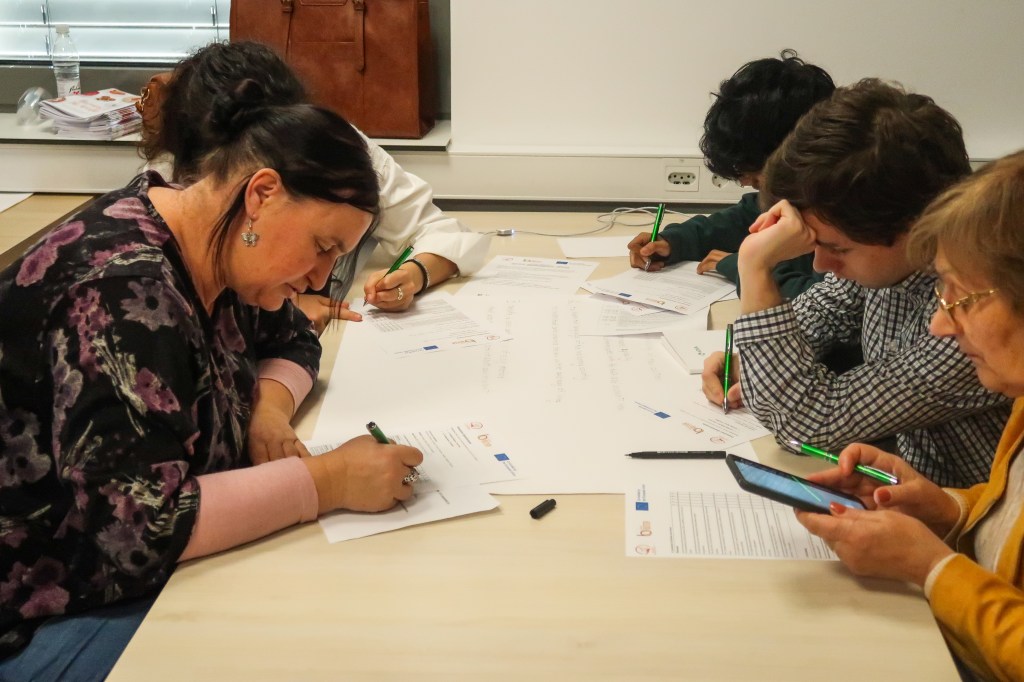
At the interactive workshop “Common Denominator”, participants formulated key guidelines for the future. They emphasised that the local community must become more open, and that municipalities must recognise integration as an opportunity, not merely an obligation.
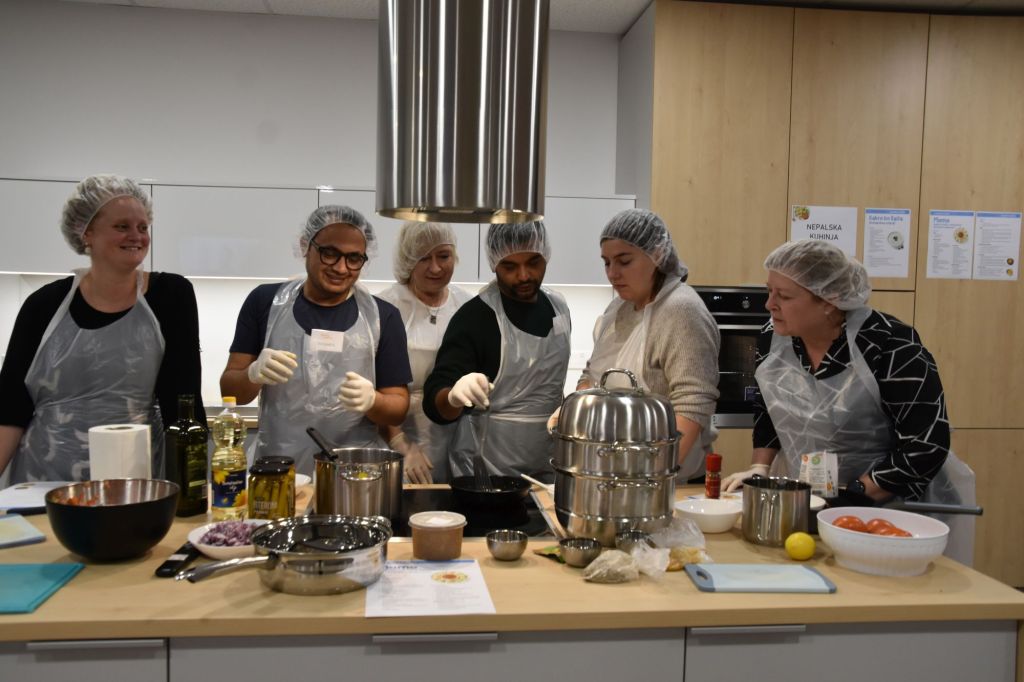
The day concluded at the Novo Mesto Senior Citizens’ Home with the culinary workshop “Tastes of the World”. As participants prepared Ukrainian, Turkish, Nepalese, and Palestinian dishes, the boundaries between “locals” and “foreigners” were finally erased. The shared table was the best evidence that integration begins where people collaborate, create, and share their culture.
With this event, Novo Mesto has once again demonstrated that the heart of integration lies in collaboration between the state, non-governmental organisations, and the local population. Only in this way can the vision of a united Europe become an everyday reality.
The CISOMO II project is co-funded by the European Union’s CERV programme.
 Zavod Boter